Understanding Residual Shell Strength in Investment Casting
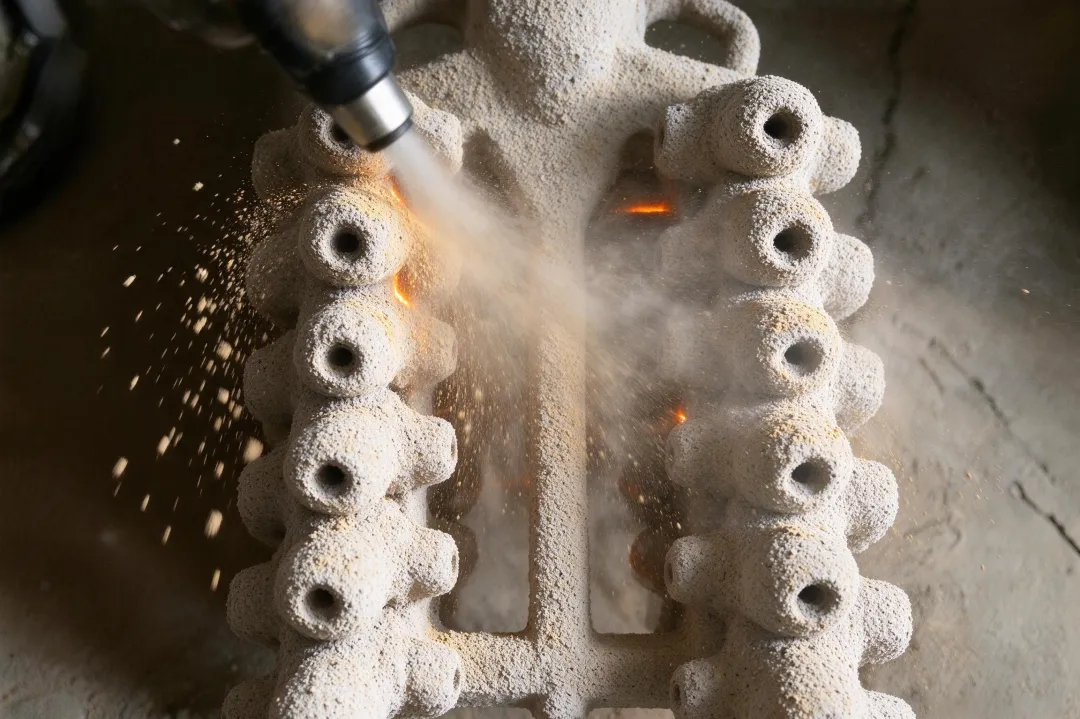
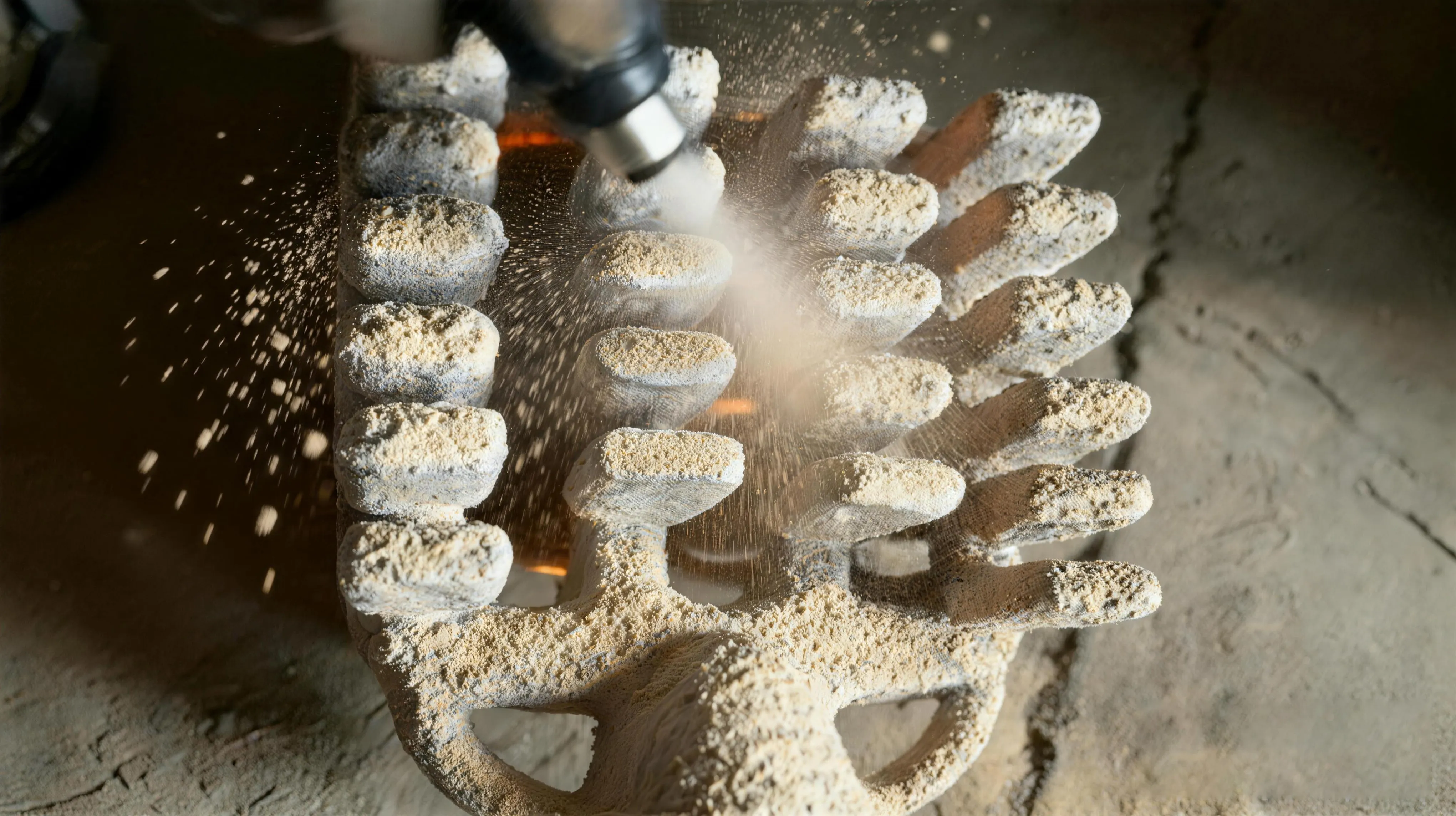
A shell must survive processing and pouring, then break away when the casting is ready for cleaning. Residual strength helps explain why some shells are easy to remove while others demand repeated impact or prolonged vibration.
Different Strength Requirements at Different Stages
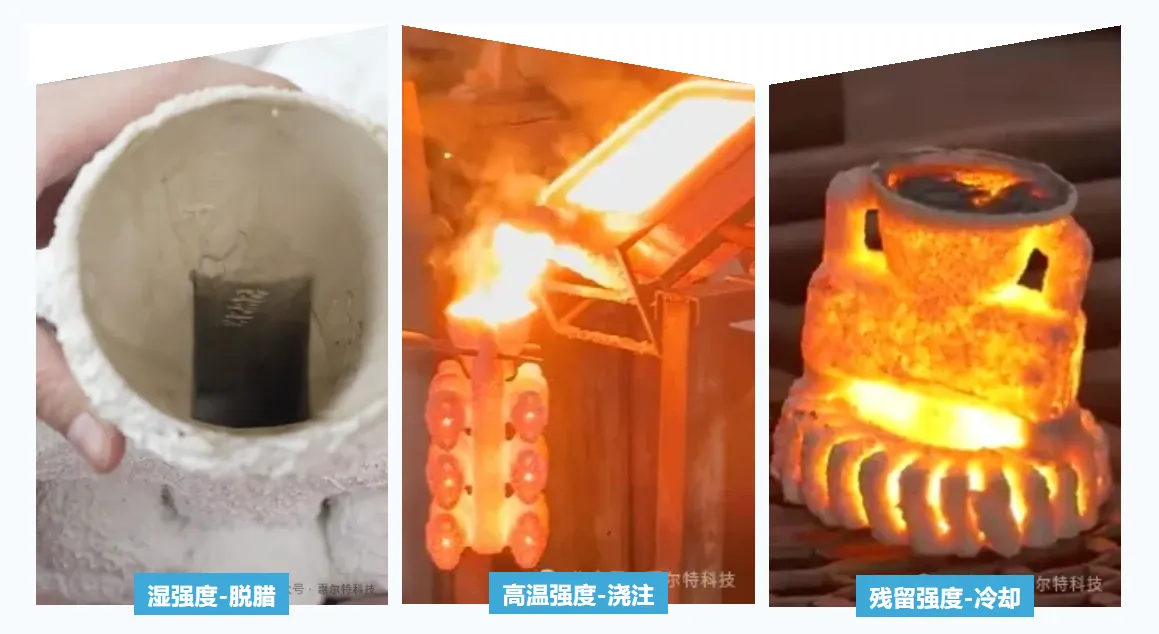
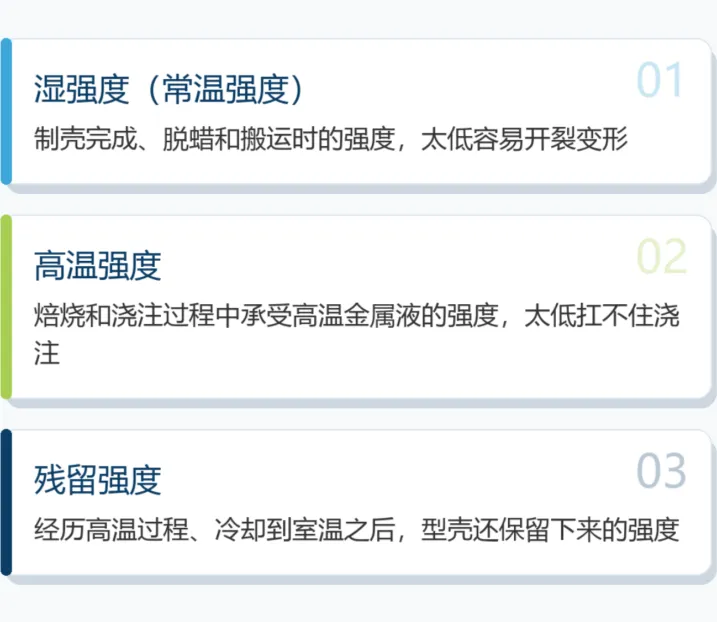
During shell building and dewaxing, the unfired shell needs sufficient strength for handling and processing. At pouring temperature, it must withstand the thermal and mechanical demands of molten metal. After cooling, lower remaining strength can help the shell fracture during knockout.
These are different requirements. A shell that is strong in one stage is not necessarily well balanced across the whole process. Good removability means the shell can break away efficiently when it is no longer needed.
What Residual Strength Measures
Residual strength is the strength measured after the shell has undergone a defined heating cycle and cooled. It gives a quantitative indication of how resistant the fired-and-cooled shell remains to fracture.
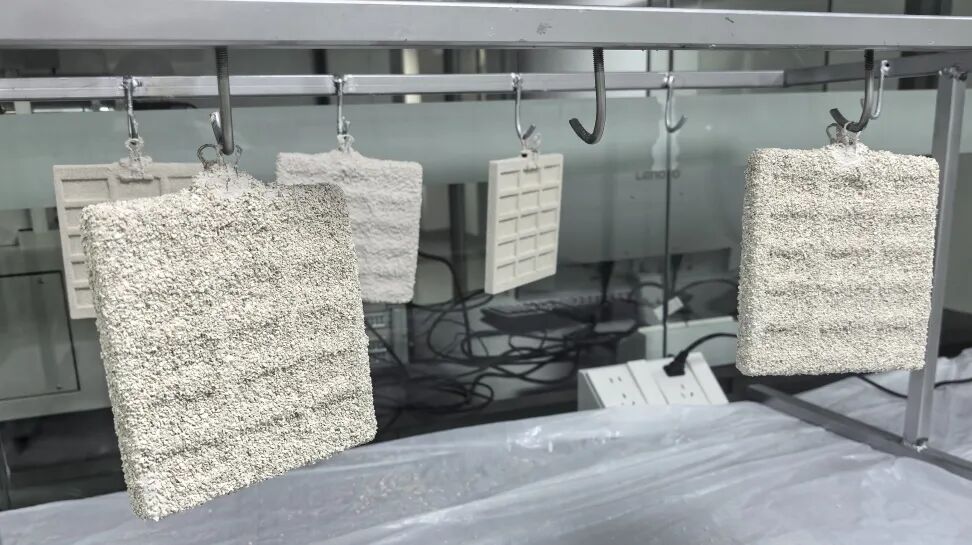
WELL-T's example test uses shell bars approximately 70 × 22 × 6 mm, heated to a specified temperature around 1,100°C and held for about two hours. After cooling to room temperature, the remaining flexural strength is measured in three-point bending. The exact heating and specimen conditions must be kept consistent for a valid comparison.
The test can be carried out in WELL-T's investment casting application laboratory. It complements unfired and high-temperature strength measurements when evaluating a shell system.
Why It Matters for Complex Castings
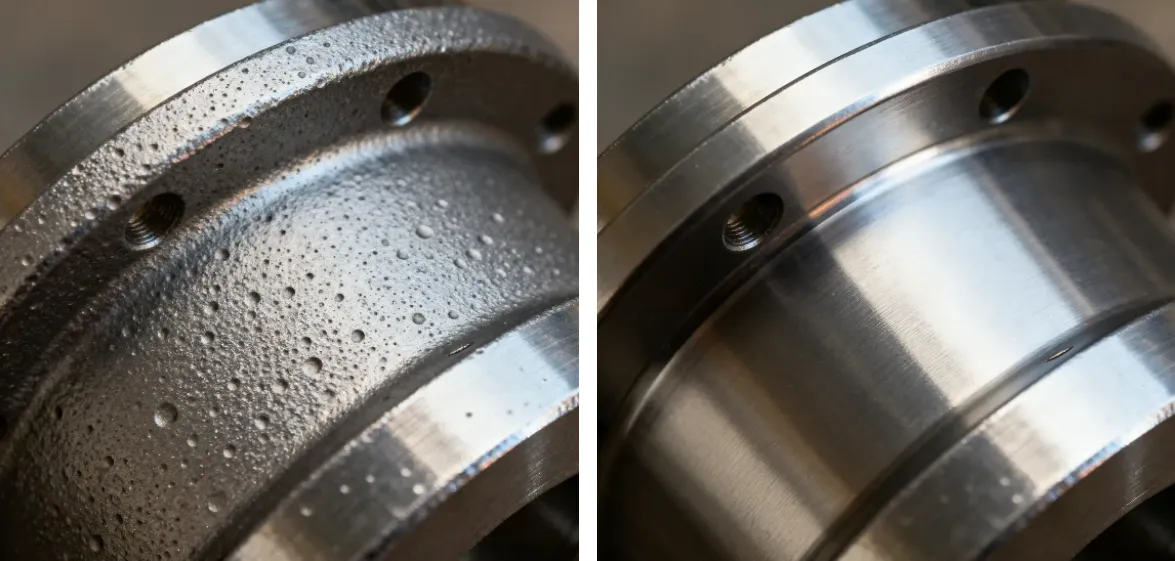
When residual strength is high, more force or time may be required to break the shell away. Internal cavities, deep holes, and curved passages make access difficult and increase the challenge of cleaning without damaging the casting.
Residual strength is only one influence. Shell thickness, casting geometry, and the cleaning method also affect removal. Laboratory results are most useful when connected to practical knockout trials.
Starting with the Backup Binder
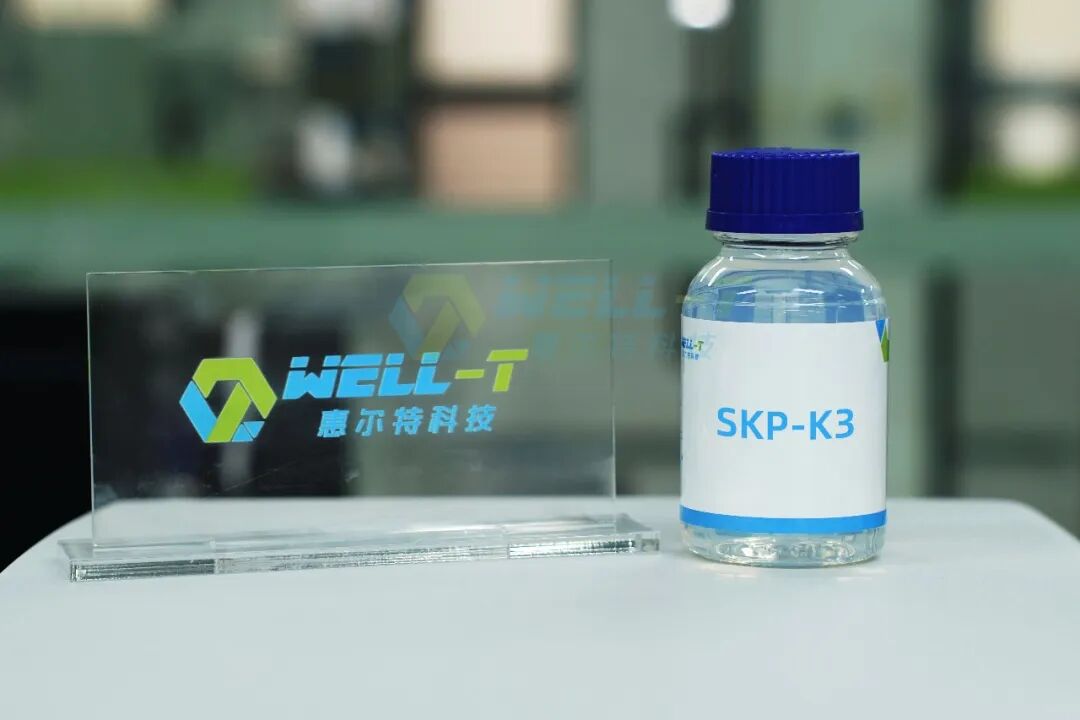
WELL-T's SKP-K3 backup-coat colloidal silica was developed to improve shell breakdown while maintaining the strength required earlier in the process. The companion article on SKP-K3 performance compares unfired, high-temperature, and residual strength results to explain that balance.