SKP-K3 Colloidal Silica Reduces Residual Shell Strength by 40%
Investment casting shells need strength during handling and pouring, but excessive strength after cooling can make shell removal difficult. For foundries producing parts with internal passages or complex geometries, that can mean longer cleaning cycles and more mechanical effort.
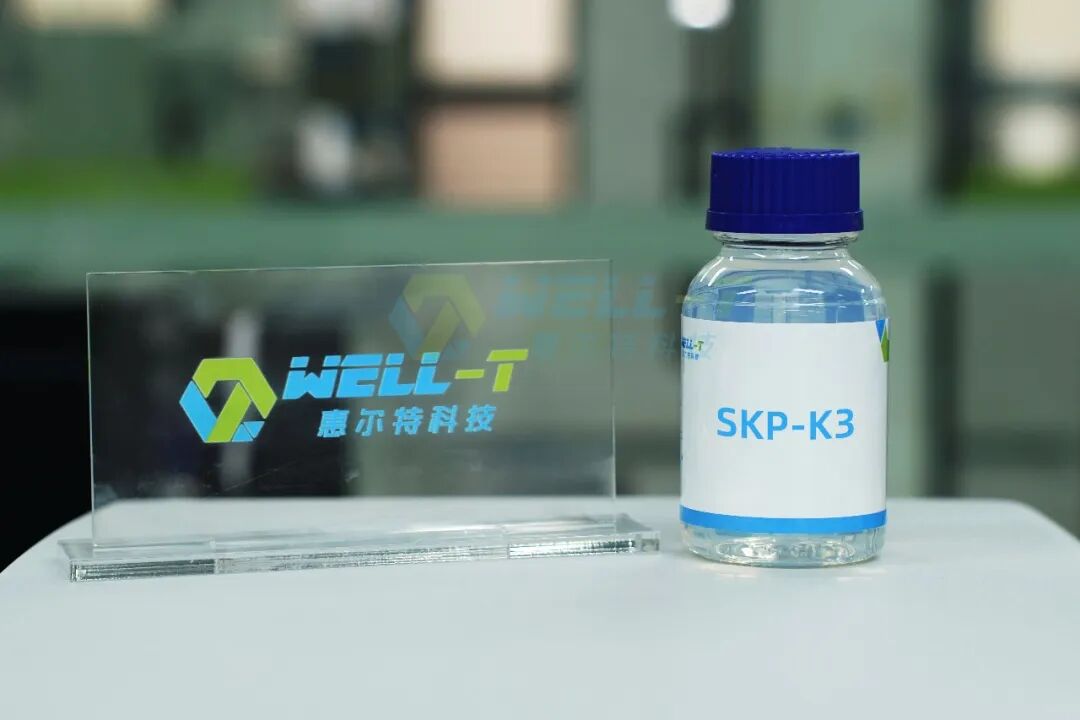
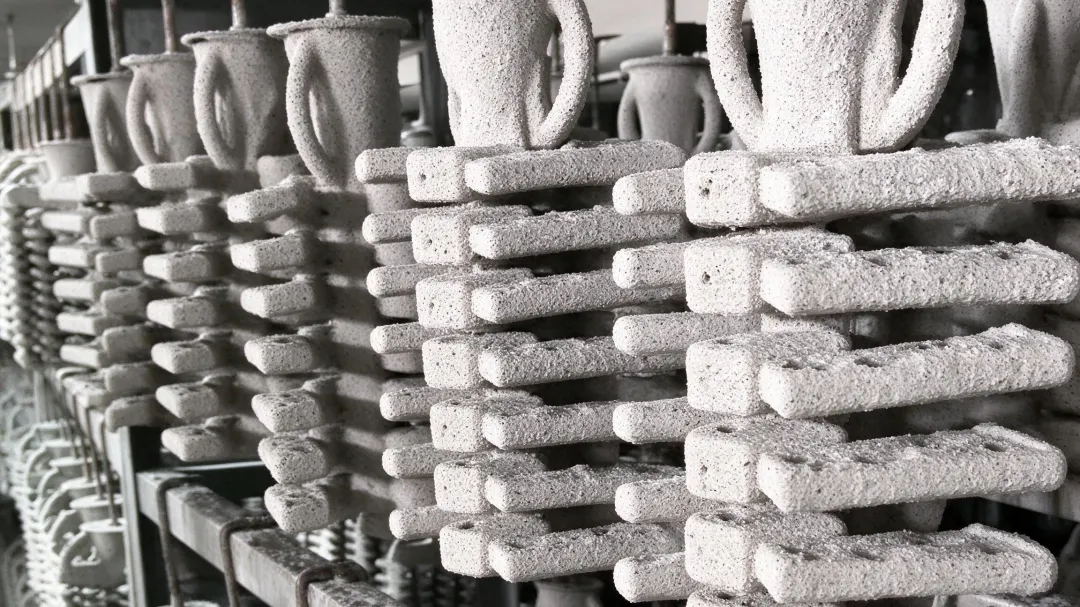
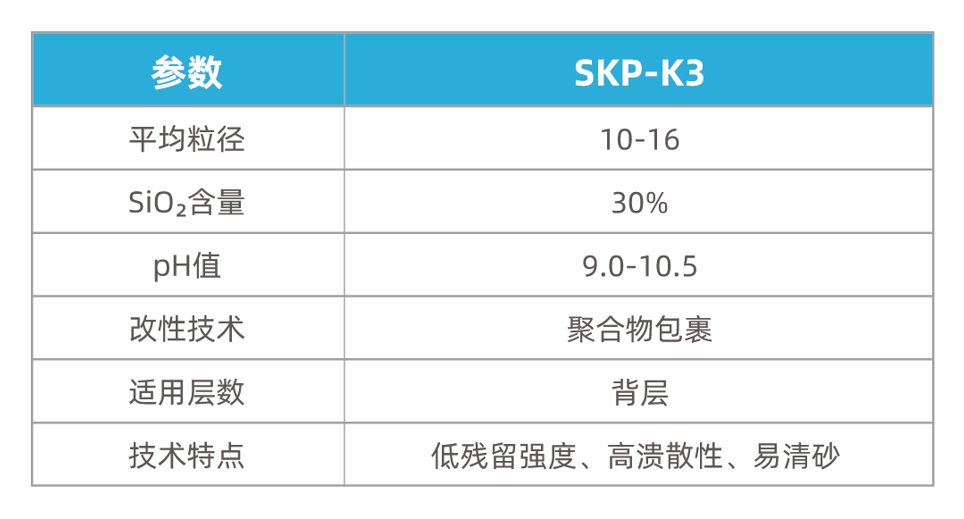
SKP-K3 is a colloidal silica binder developed for investment casting backup coats. Comparative laboratory tests against conventional S-1430 showed approximately 40% lower residual shell strength, while green strength remained comparable and hot strength was largely unchanged.
Strength through shell building and pouring
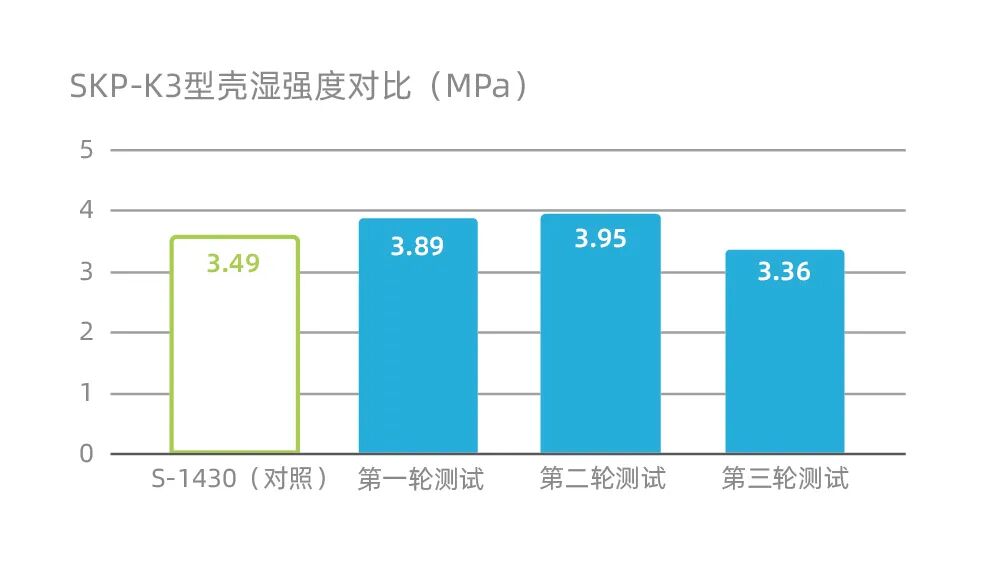
Before firing, a shell must withstand handling and dewaxing. Across three test rounds, shells made with SKP-K3 recorded green strength values of 3.35–3.95 MPa, compared with 3.49 MPa for S-1430. These results indicate that improved collapsibility can be achieved while maintaining green strength within a comparable range.
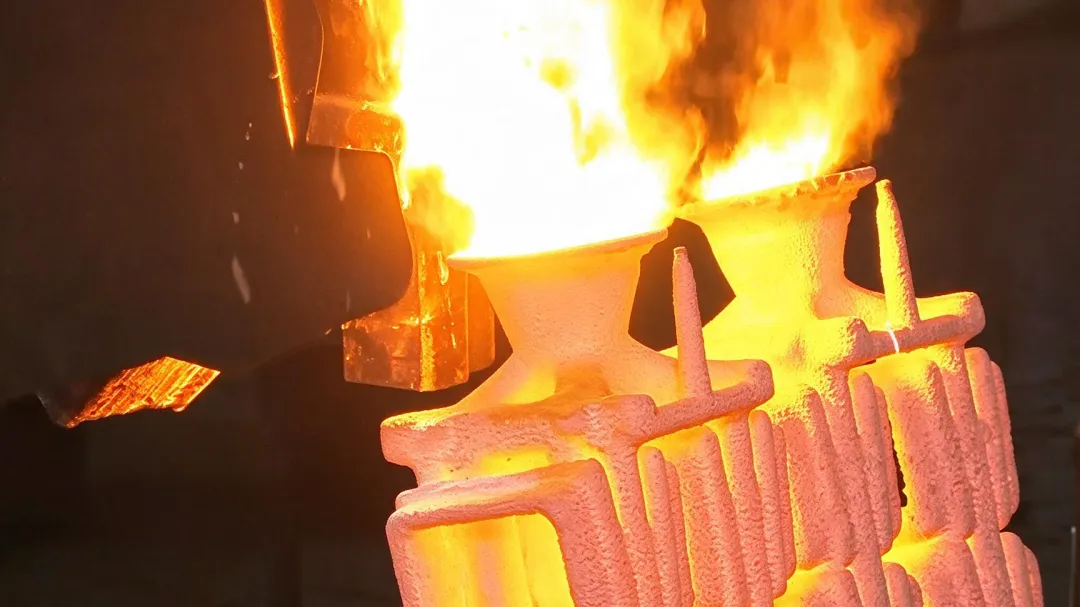
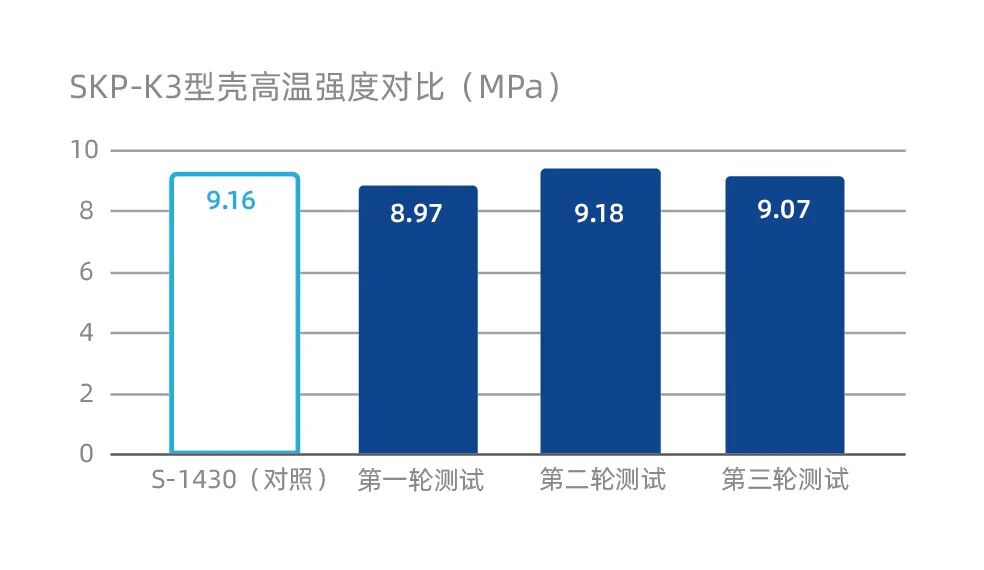
At elevated temperatures, the shell must retain its shape and withstand the molten metal. SKP-K3 achieved an average hot strength of 9.07 MPa, close to the 9.16 MPa recorded for S-1430. Under the test conditions, the change in backup binder had little effect on hot strength.
Lower residual strength after cooling
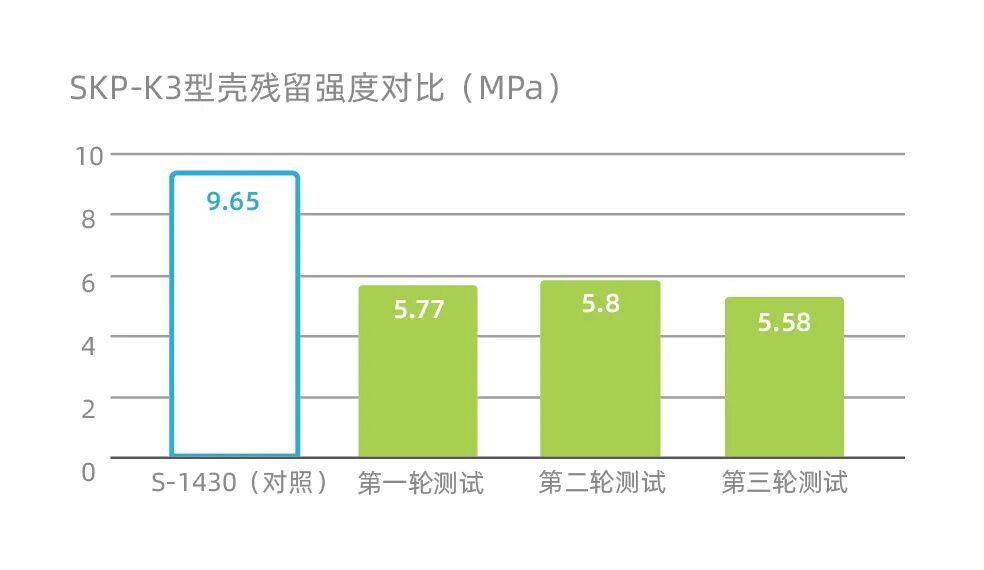
The largest difference appeared after firing and cooling. Average residual strength fell from 9.65 MPa with S-1430 to 5.72 MPa with SKP-K3, a reduction of approximately 40%.
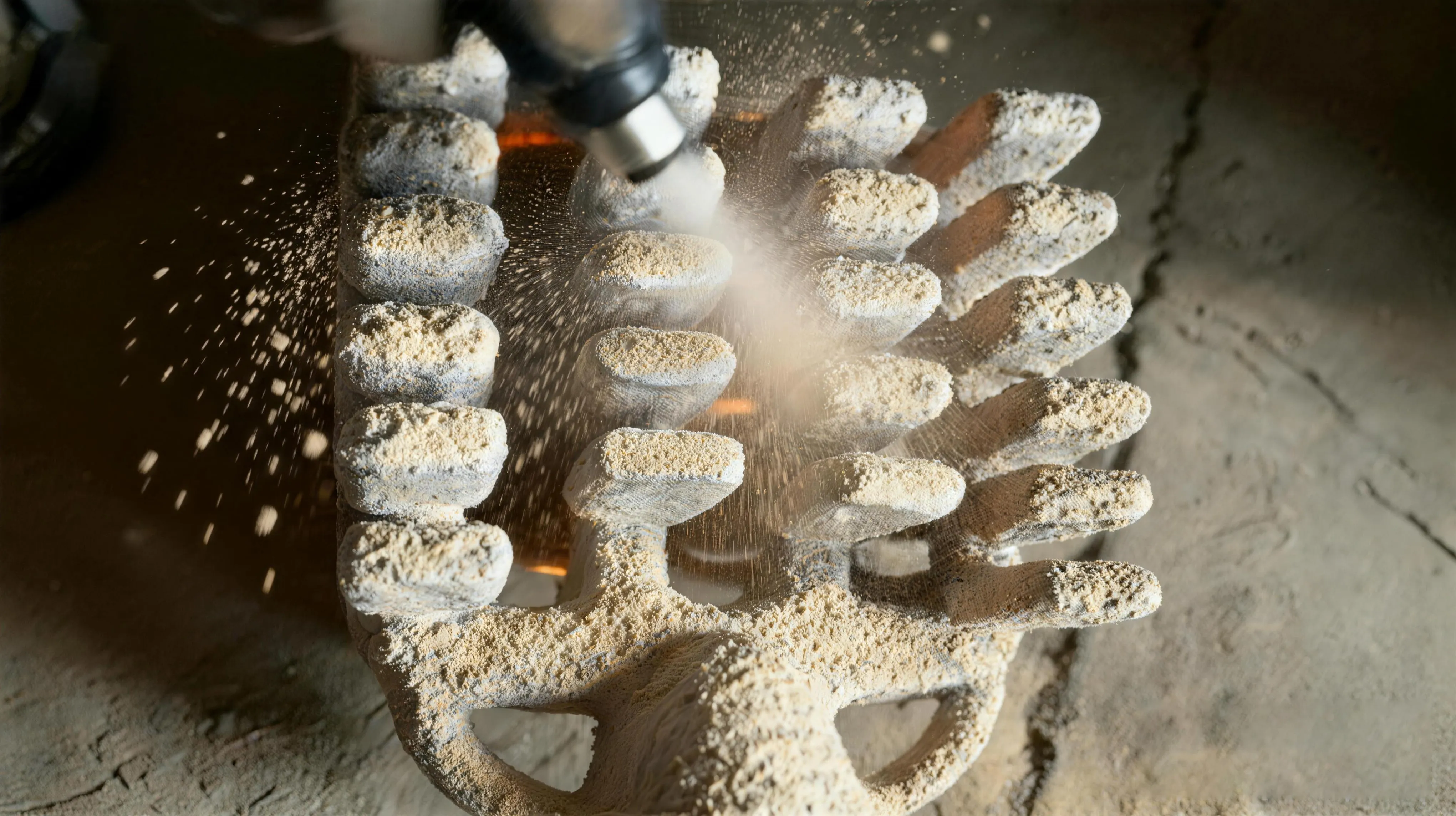
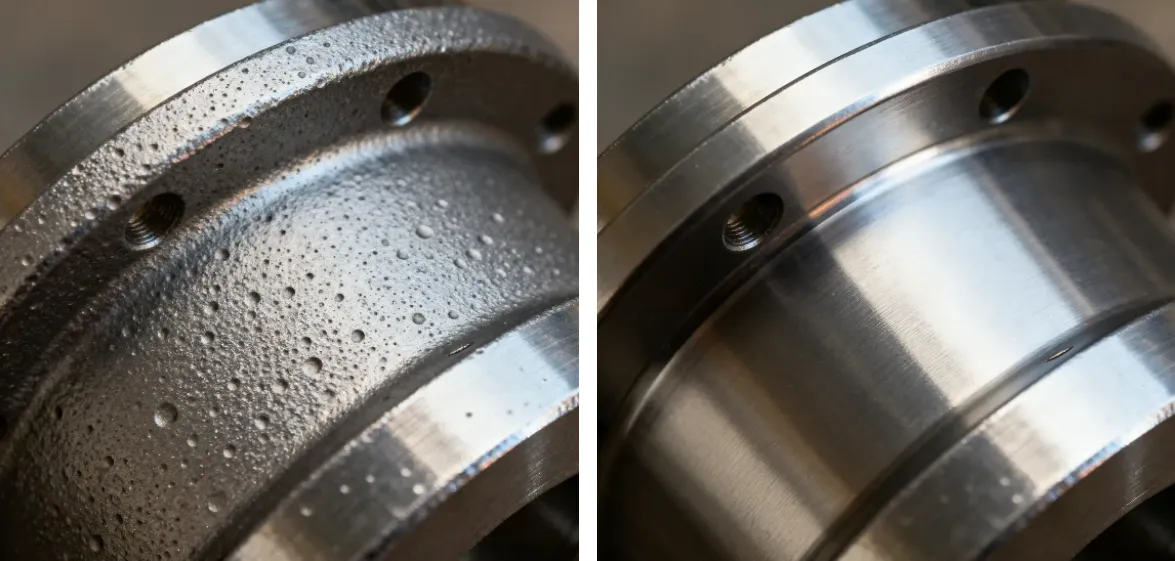
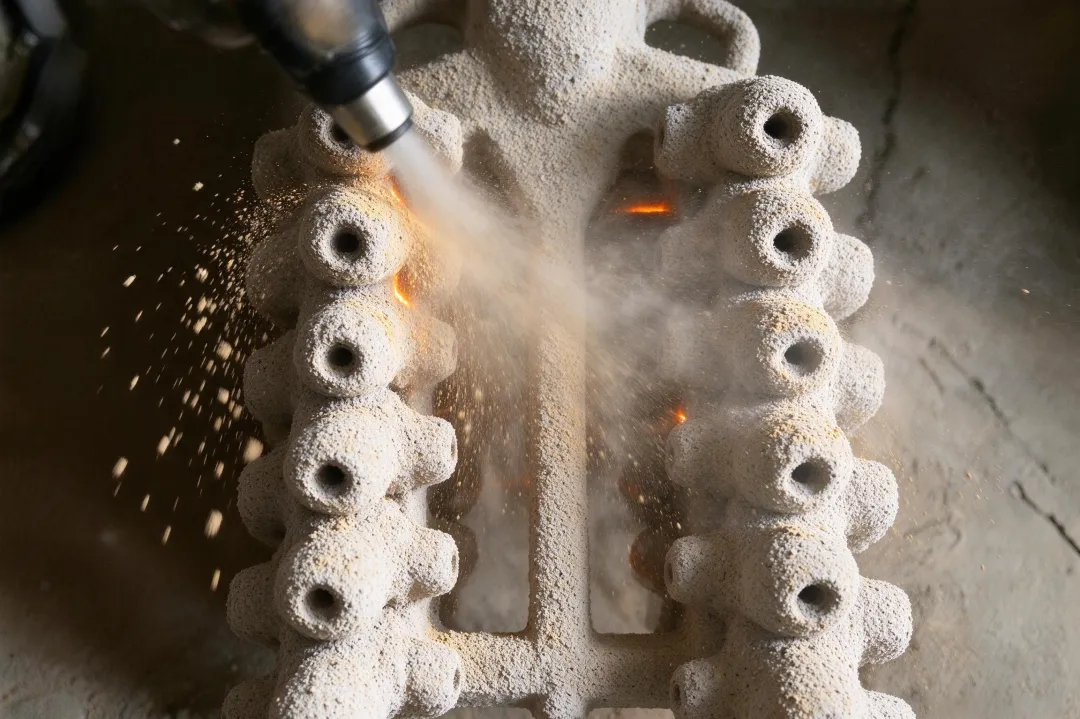
Lower residual strength makes the fired shell easier to break down during removal. This can help reduce the effort required to clear shell material from difficult areas, including narrow passages and internal cavities. The effect on cleaning time will depend on part geometry, shell construction, and the removal process used.
How the binder balances these requirements
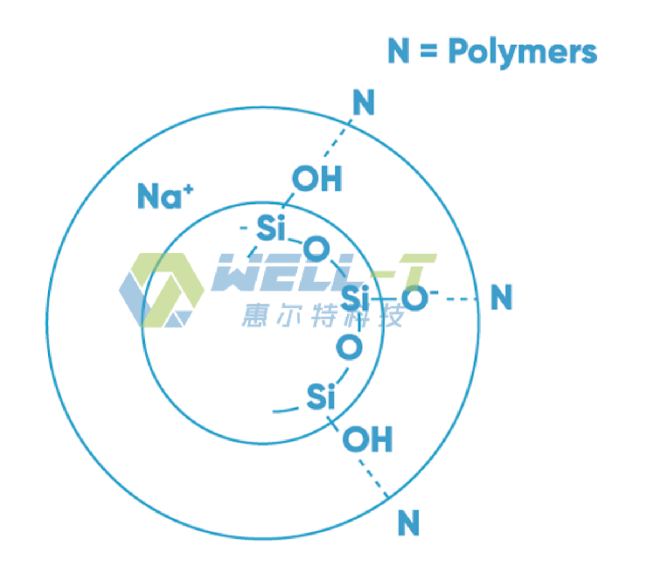
SKP-K3 combines polymer modification with pore-forming technology. The polymer component supports strength before firing. During firing, it decomposes and creates micropores within the shell, while the silica framework provides strength at elevated temperatures.
This structure is designed to preserve the strength needed earlier in the casting process while allowing the cooled shell to break down more readily.
Comparing performance under controlled conditions
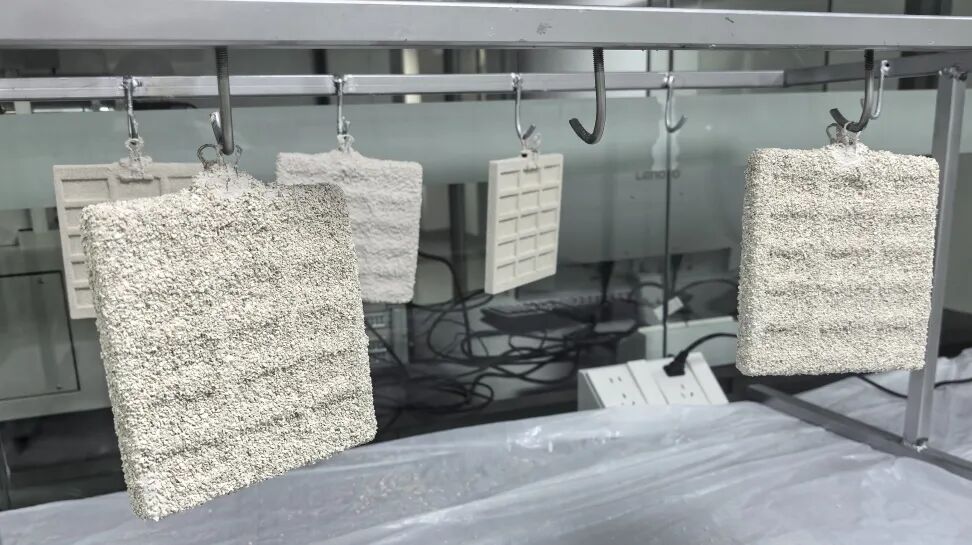
Both binder systems were tested using the same shell-building process and test conditions. Primary coats used 325-mesh zircon flour with an 830-grade colloidal silica binder; backup coats used 200-mesh mullite flour. The backup binder—S-1430 or SKP-K3—was the only variable.
For foundries evaluating shell removal improvements, these results provide a basis for trials using their own castings and production conditions.
Evaluate SKP-K3 in Your Foundry
With nearly 30 years of experience in colloidal silica, Well-T develops and evaluates investment casting binders through its dedicated application testing laboratory.
Contact our technical team to discuss SKP-K3 for your shell-building process and explore how lower residual shell strength could help address your shell removal challenges.