Colloidal Silica as a Binder for Cement-Free Refractory Castables
Colloidal silica gives refractory formulators a way to reduce or eliminate calcium aluminate cement in selected castables. Its appeal lies in the combination of calcium-free binding, potentially faster drying, and opportunities to tailor high-temperature performance.

Why Reduce the Cement Content
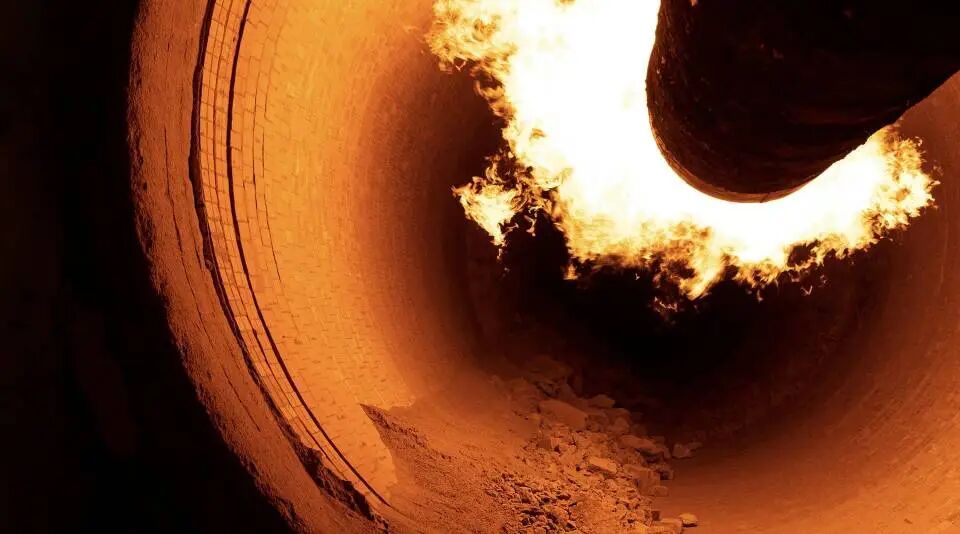
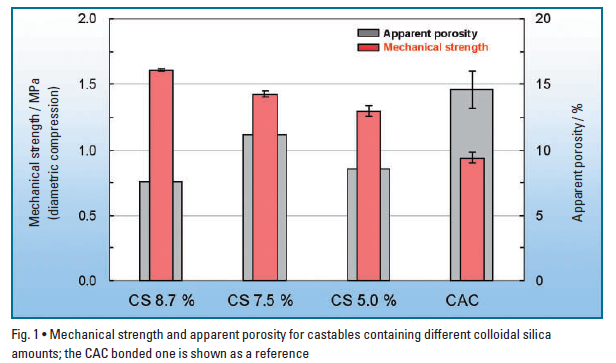
Calcium aluminate cement is a widely used refractory binder, but it also introduces calcium oxide. Depending on the other ingredients and operating temperature, calcium-containing phases can affect high-temperature behavior. This is one reason formulators develop low-cement and cement-free systems.
How Colloidal Silica Binds the Castable
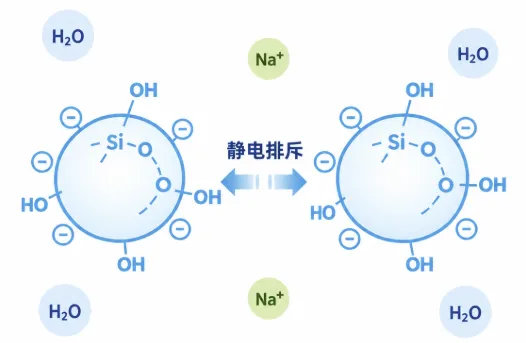
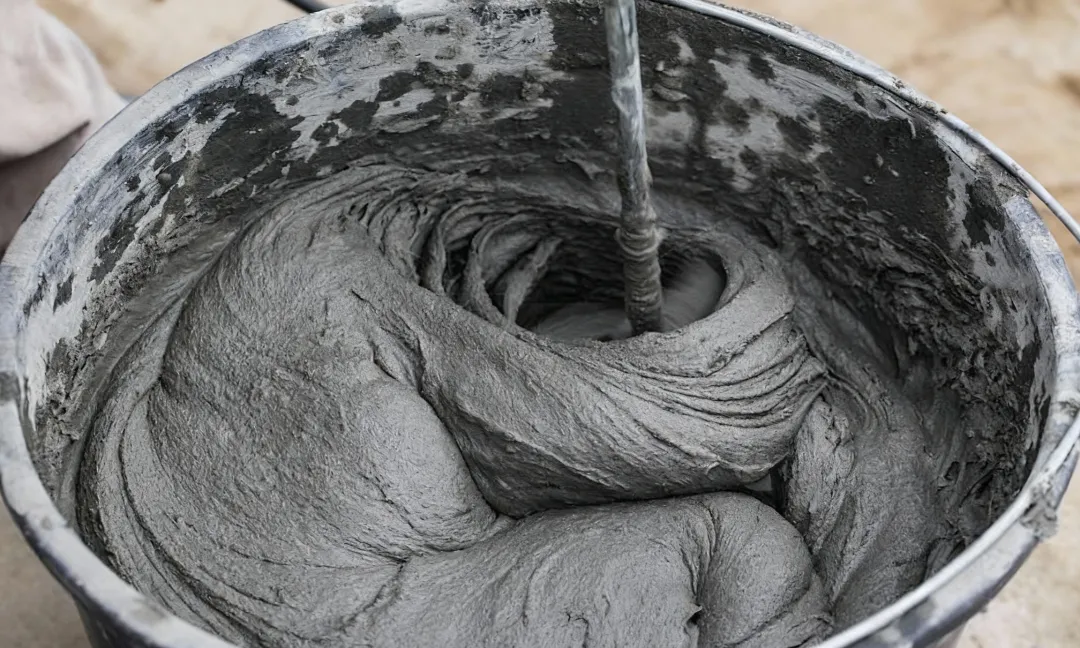
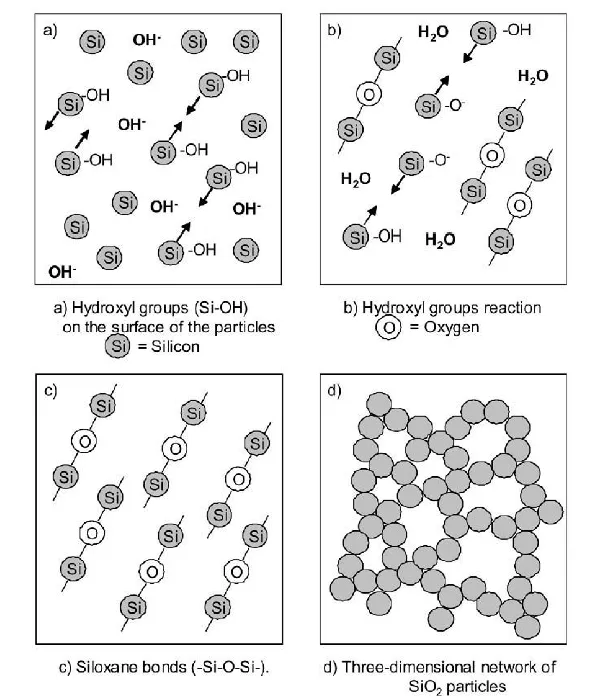
Colloidal silica supplies tiny silica particles dispersed in water. As the system gels and dries, the particles connect into a network that binds the refractory fines and aggregates. The bonding process differs from the hydraulic setting of calcium aluminate cement.
That network evolves further during heating. In suitable alumina-rich formulations, silica can participate in reactions that form mullite. The outcome depends on composition and firing conditions, so the silica addition needs to be designed around the service environment.
Drying and High-Temperature Performance
Drying is a critical stage because trapped water can generate pressure as it turns to steam. Research on colloidal silica binders has identified potential for improved water removal and shorter dry-out schedules in appropriately designed castables.
These benefits are formulation-dependent. Permeability, section thickness, curing conditions, and the heating schedule all matter. A faster schedule must be validated for the actual lining rather than assumed from binder selection alone.
Using colloidal silica also avoids adding calcium through the binder. This can be useful where calcium-bearing phases are undesirable, although the added silica itself must remain compatible with the refractory chemistry and operating conditions.
Matching the Binder to the Application
WELL-T offers colloidal silica products and application support for refractory development, backed by nearly 30 years of experience, six production bases, and annual capacity of approximately 200,000 metric tons. The focus is a reliable material supply matched to the customer's castable design and performance targets.
References
M.R. Ismael, R.D. dos Anjos, R. Salomão, and V.C. Pandolfelli. "Colloidal Silica as a Nanostructured Binder for Refractory Castables." Refractories Applications and News, 11(4) (2006), 16–20.